
Running is one of the most popular forms of exercise, and for good reason—it’s a great way to stay fit, reduce stress, and explore the outdoors. However, the repetitive nature of running also makes it prone to injuries, from shin splints and runner’s knee to IT band syndrome and plantar fasciitis. Fortunately, physical therapy offers a range of solutions to not only treat these injuries but also prevent them, helping runners stay on track with their goals.
As a physical therapist, I work with runners of all levels, from beginners to seasoned marathoners, to help them optimize their performance and stay injury-free. In this blog post, I’ll share how physical therapy can help you run stronger, reduce the risk of injury, and enhance your overall running experience.
1. Injury Prevention Through Movement Analysis
Many running injuries are caused by poor biomechanics, such as improper gait or muscle imbalances. A physical therapist can conduct a detailed movement analysis to assess your running form and identify any potential issues that could lead to injury. This may include evaluating your stride, foot strike pattern, pelvic alignment, and overall posture.
By identifying these subtle inefficiencies, a physical therapist can develop a personalized corrective exercise program to improve your form. This will not only help prevent injuries but also enhance your performance. For example, strengthening your glutes and core muscles can lead to better stability and less strain on your knees and hips.
2. Rehabilitation of Common Running Injuries
Despite our best efforts, injuries can still occur, especially if we push ourselves too hard or neglect proper recovery. When injuries happen, physical therapy is an essential part of the healing process. Common running injuries like patellofemoral pain (runner’s knee), Achilles tendinitis, and stress fractures can be effectively treated with targeted rehabilitation techniques.
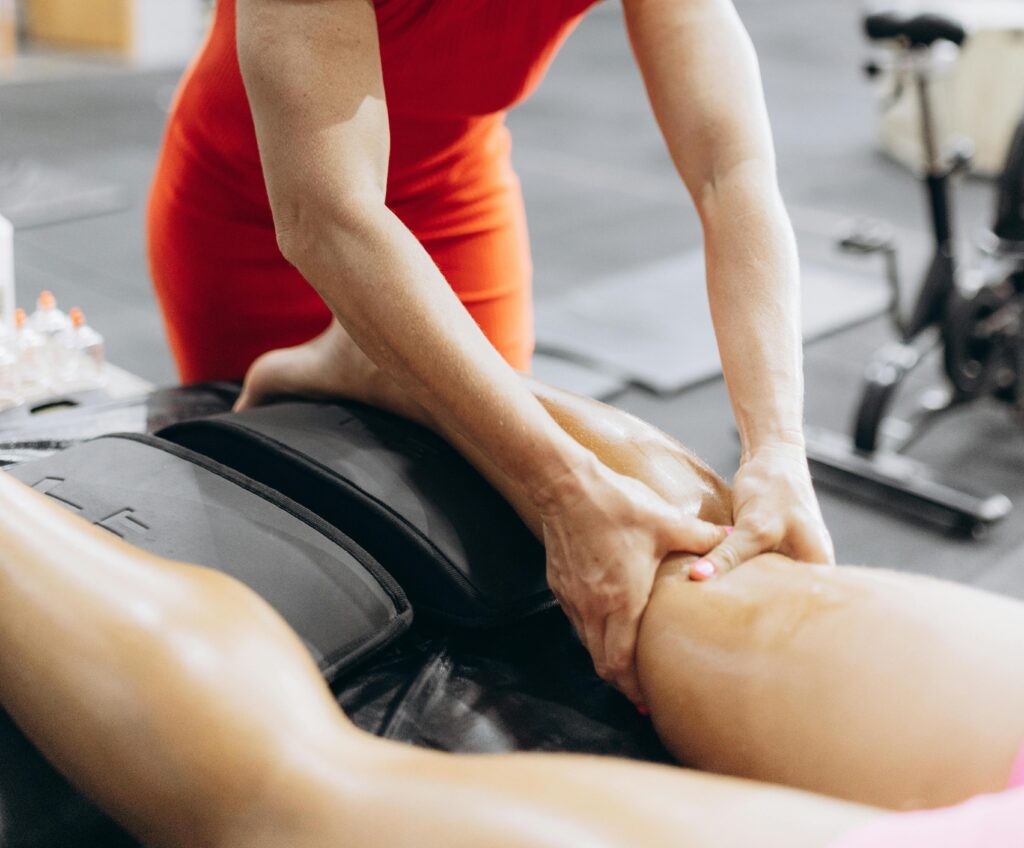
A physical therapist will use a combination of manual therapy, stretching, strengthening exercises, and modalities like heat, ice, or electrical stimulation to promote healing and reduce pain. The goal is to restore the injured tissue to its optimal function so you can safely return to running.
For example, if you’re recovering from Achilles tendinitis, your therapist might focus on eccentric strengthening exercises to help your tendon heal and prevent future flare-ups. If you’re dealing with runner’s knee, a therapist might address muscle imbalances around the knee joint, such as weak quadriceps or tight hamstrings, to restore proper alignment.
3. Personalized Strength Training Programs
Running requires specific muscle groups to work together efficiently, especially in the legs, hips, and core. A well-rounded strength training program tailored to your needs can help you build the muscles necessary for efficient running. Physical therapists are experts in developing these programs, ensuring that exercises target your weak areas and reinforce proper running mechanics.
Strength training is especially important for injury prevention, as it helps balance out muscle imbalances that may otherwise put excess strain on joints and tissues. For example, weak hip abductors can lead to poor knee tracking and increase the risk of IT band syndrome. A physical therapist can teach you exercises to strengthen these muscles and prevent injuries.
4. Flexibility and Mobility Enhancement
Tight muscles and stiff joints can affect your range of motion and running form, leading to discomfort and potential injury. Physical therapy can address these issues by incorporating stretching, joint mobilizations, and myofascial release techniques to improve flexibility and mobility.
For example, tight calves and hamstrings are common in runners and can limit your ability to fully extend your legs with each stride. By incorporating targeted stretches and mobility exercises, a physical therapist can help you achieve a greater range of motion and reduce the risk of injury. Mobility work for the hips and lower back can also alleviate tension that may arise from hours of running.
5. Education and Proper Running Gear Recommendations
In addition to hands-on treatment, physical therapists provide valuable education on how to run more efficiently and safely. This includes advice on the best shoes for your foot type, the importance of warm-up and cool-down routines, and how to gradually increase your mileage without overtraining.
A physical therapist may also recommend custom orthotics if you have specific foot issues (e.g., flat feet or high arches) that could affect your running mechanics. Custom-made insoles can provide additional support and help improve alignment, reducing strain on the knees, hips, and lower back.
6. A Holistic Approach to Recovery
Physical therapy is not just about fixing injuries—it’s also about optimizing your recovery. Proper recovery is essential for maintaining long-term health and performance as a runner. A physical therapist can guide you through recovery techniques such as foam rolling, active release therapy, and even breathing exercises to help you relax and reduce muscle tension.
They can also help you create a recovery plan that includes cross-training activities, rest days, and nutrition tips to keep your body in top shape. Incorporating recovery strategies into your routine will reduce the likelihood of burnout and keep you running at your best.
7. A Collaborative Approach to Your Running Goals
Whether you’re training for your first 5K or aiming for a personal best in your next marathon, physical therapy can play an important role in your success. Your physical therapist works alongside you, offering support, encouragement, and expertise to help you reach your running goals while staying injury-free.
From helping you manage the demands of training to advising on recovery strategies, physical therapists can offer guidance tailored to your specific needs. Many runners find that regular check-ins with a physical therapist help them stay on top of any minor issues before they become major setbacks.
Final Thoughts
Running should be an enjoyable and fulfilling activity, but it can be challenging if you’re dealing with chronic pain or recurring injuries. By incorporating physical therapy into your routine, you can address any existing issues, improve your form, and take proactive steps to prevent future injuries. Whether you’re new to running or an experienced marathoner, physical therapy can help you run stronger, longer, and with more confidence.
If you’re dealing with an injury or want to improve your running performance, consider scheduling an assessment with a physical therapist. Together, we can develop a personalized plan to help you reach your running goals safely and effectively.
Have any questions about physical therapy for running injuries? Leave a comment below, and let’s chat!